When you were a kid, you might have had an academic task focused on building literacy, like participating in a Read-A-Thon, writing a book report, or even playing ABC Mouse. For some, it might have been your favorite excuse to read, or perhaps you dreaded it and dreaded any time you had to read a book for school. However, sometimes I think we forget how important those moments of literacy-building back in second grade really were.
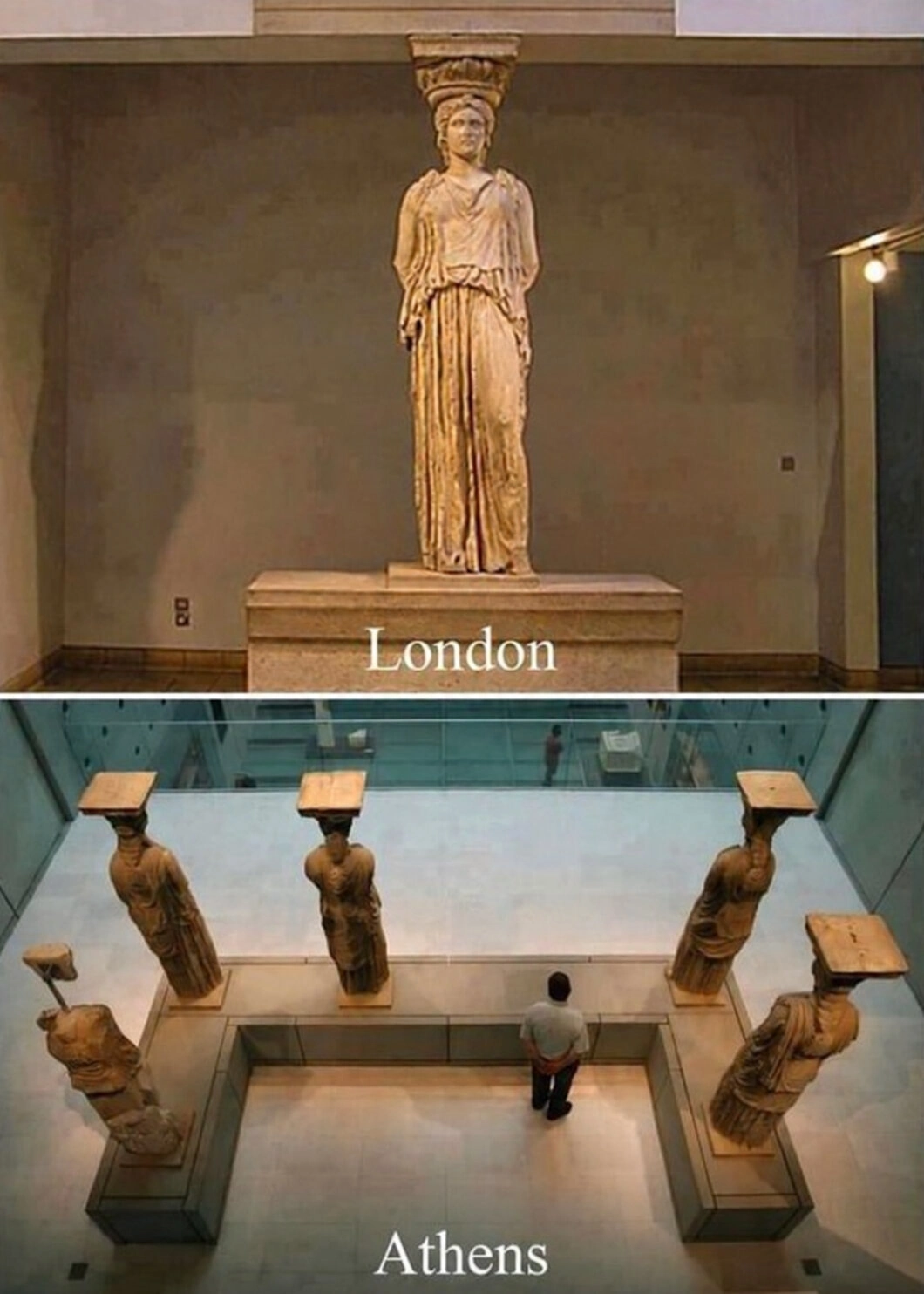
Have you ever been to a museum and wondered where all the artifacts were acquired from? It is estimated that up to 85% of the objects displayed and kept in museums worldwide lack a complete paper trail of ownership; however, some are trying to fix this problem, including our Holy Father, Pope Leo XIV.
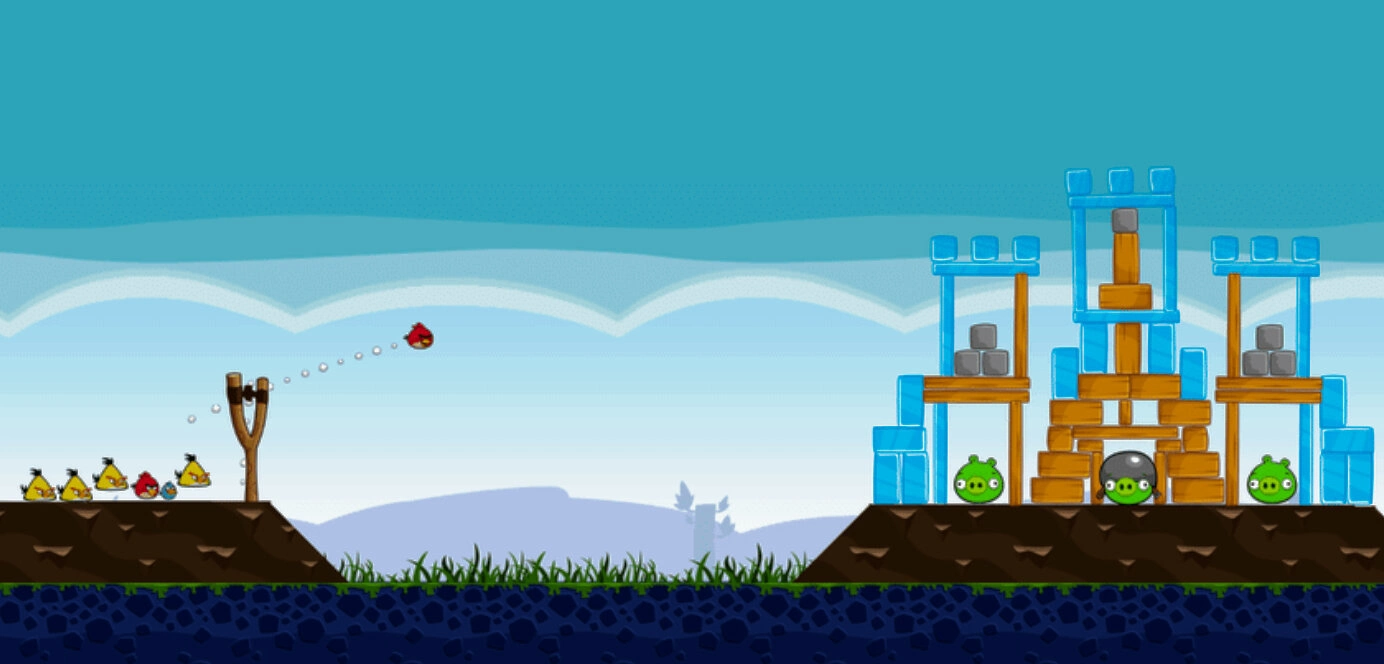
How many of you remember going home after school, finishing some homework (curse you, fractions!), and looked for something fun to do after finally being done with the day? Personally, I would boot up the olʼ PlayStation 3 and decide to kick back, but there was always an issue. My older brothers loved to hog the PS3 (shoutout Skyrim, BO2, and Kingdom Hearts), leaving me stuck with the VERY old iPad my older brother never touched. In their mercy, they downloaded games for me to play, and when five-year-old me looked at the app icons, one caught my attention: Angry Birds. My favorite color was red, so seeing the main character be a red bird (who was appropriately named “Red”) fascinated me. Released in 2009, Angry Birds is a game where you command a team of birds (most notably "Red," "Chuck," and "Bomb"), with the player launching the feathered friends at enemy pigs. Through the use of a catapult, the goal for the player was to destroy the pigsʼ buildings; however, this seemingly needless act of violence was completely justified. The pigs loved nothing more than to steal the birdsʼ eggs! As a result, the birds became angry (see what I did there?) and would battle the detested swine to reclaim their shelled young. The birds were the heroes, and nobody can ever say otherwise.
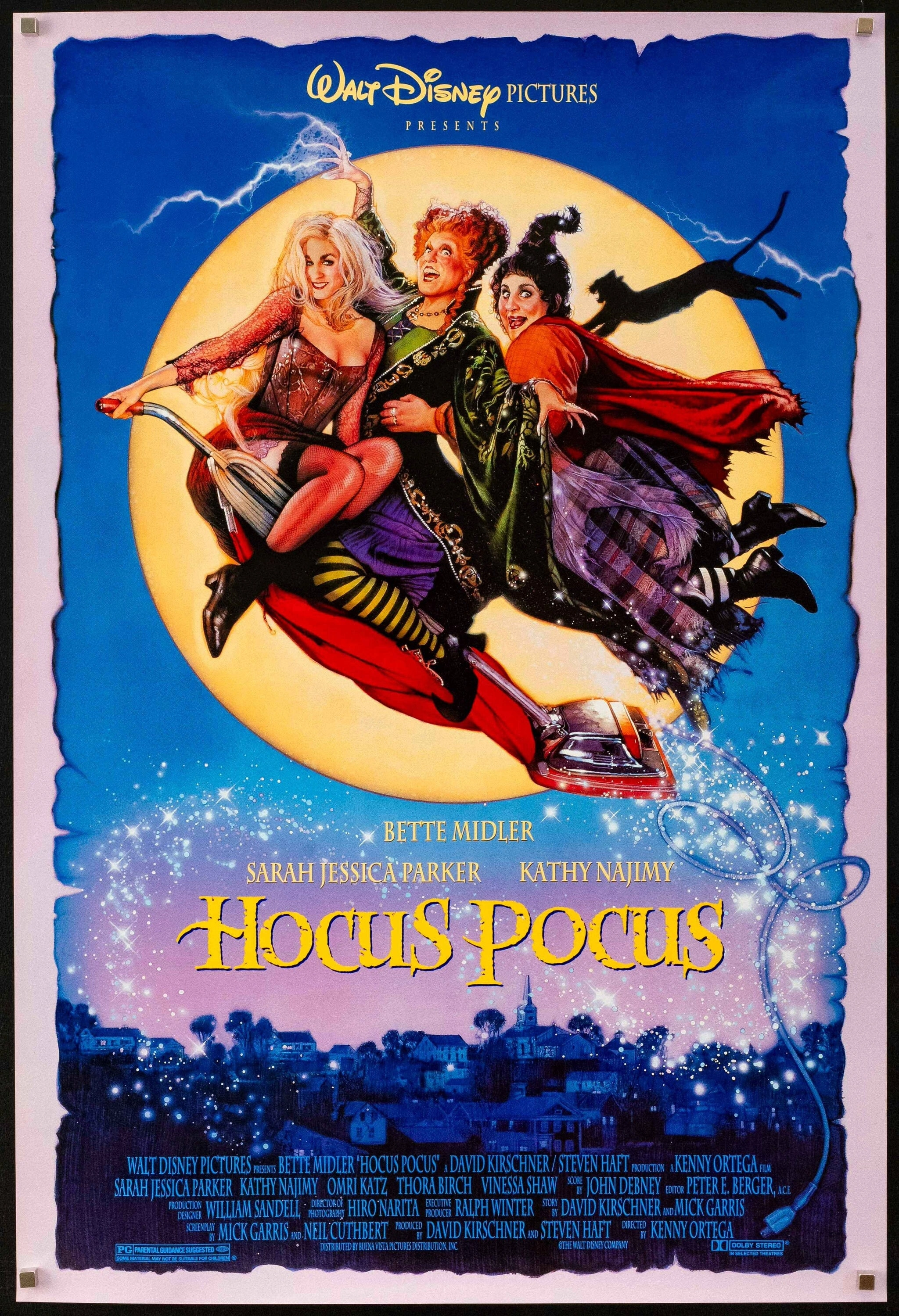
With Halloween right around the corner, people have traditions they like to do every year to get in the spooky spirit. One prominent tradition is having a marathon of Halloween movies throughout the fall season. However, what is the best movie to watch? A popular pick is The Nightmare Before Christmas, but that can be a controversial option since many claim itʼs a Christmas movie. Others make a frightening selection with 1978ʼs Halloween but that feels a little too on the nose doesnʼt it? Every Halloween, the perfect movie for me is the 1993 cult classic: Hocus Pocus.
One thing every student complains about weekly is homework. Homework is oftentimes described to students as “a continuation of practicing the topic we learned today at home.” However, this is the primary cause of complaint among students: the added workload they have. With the burden bestowed upon us every night, questions begin to arise. Is homework helping us at all? Is it too much? Should we even continue to have it in the first place, or include rigid guidelines for teachers to follow?
In the midst of the fall foliage, every October sees an uptick in pink ribbons and shoelaces. From professional athletes to the students of St. Paul, the pink signifies the importance of awareness as it relates to breast cancer. Breast cancer is currently the most common cancer for women in the United States, with one in eight women being diagnosed in their lifetime. Breast Cancer Awareness Month (BCAM) is to show that cancer is not something we can always prevent or overcome without support. Treatments are more available and do help, but they also do not guarantee full remission and are oftentimes unaffordable for most people.
The Earthʼs oceans are warming by means of two factors, both of which we can change. The first is global warming, which has affected our planet for many years, while the second problem has only been around since 2023 and continues through the present: A.I. underwater data centers (or UDCʼs), off the coasts of several countries.
Every year, numerous books are threatened to be stripped off shelves. Within the past few years, over 7,200 books have been challenged and in 2025, the American Library Association (ALA) lists the official count of banned books at 5,668 titles, with an extra 920 texts being restricted in some form.